

BEHAVIOUR THROUGH A SENSORY LENS
.
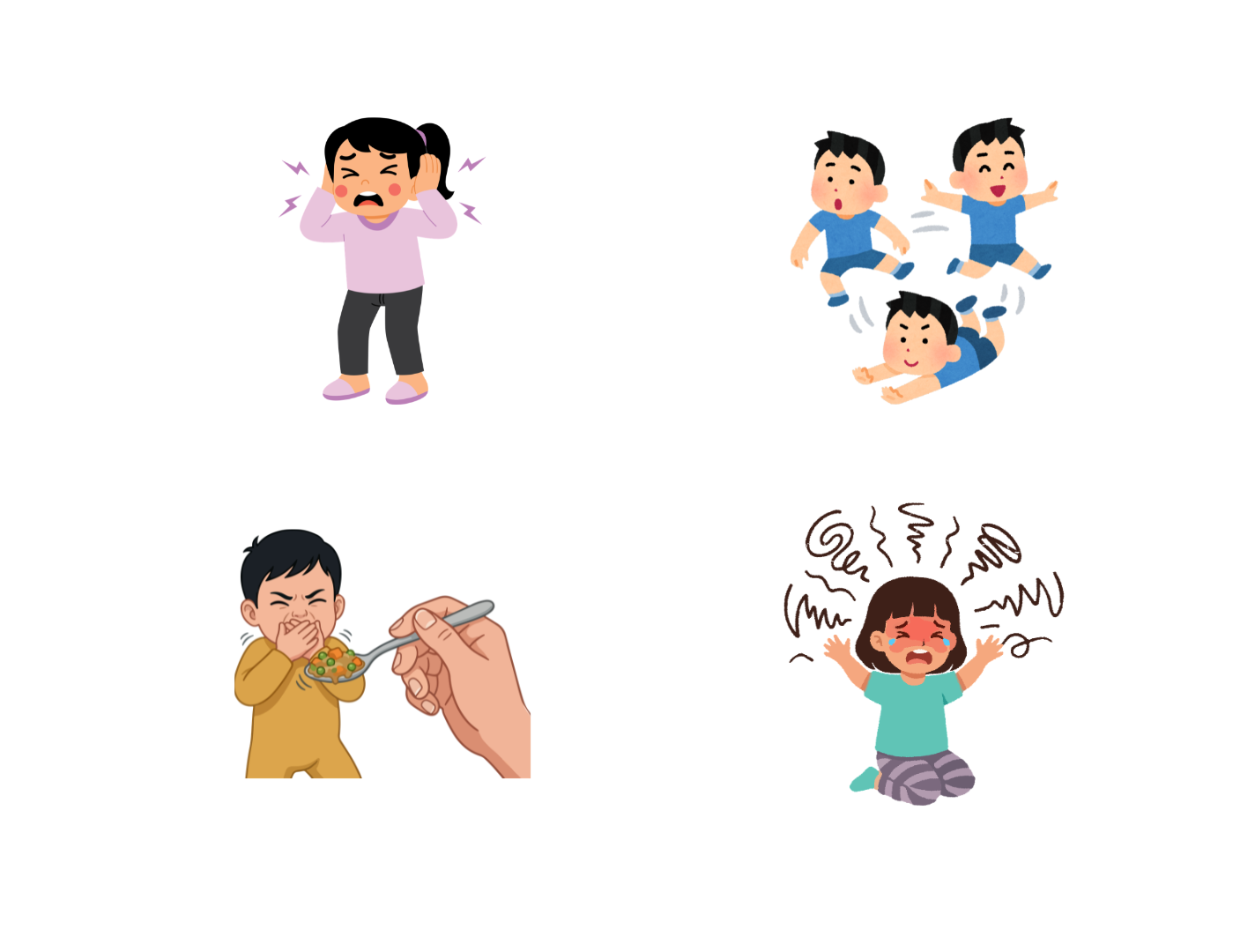
“Why does my child cover their ears when the mixer starts?”
“Why do they constantly jump on the sofa?”
“Why are mealtimes so stressful?”
“Why do simple outings sometimes end in tears?”
If you’ve found yourself asking these questions, you’re certainly not alone.
As parents, it's natural to focus on the behaviour we can see. We try to stop it, redirect it, or encourage a different response. But what if that behaviour wasn't simply something to manage?
What if it was your child's way of communicating something they couldn't put into words?
Behavior Is Often a Clue
Every behaviour has a reason behind it. Sometimes a child is communicating excitement, frustration, anxiety, or tiredness. At other times, their behaviour may be influenced by the way they experience sensory information.
For example, covering their ears may not simply mean they're "being difficult." Constant movement may not always mean they're "hyperactive." Avoiding certain clothes may not be about being "fussy."
Sometimes, these behaviours are a child's way of coping with how they experience the world.
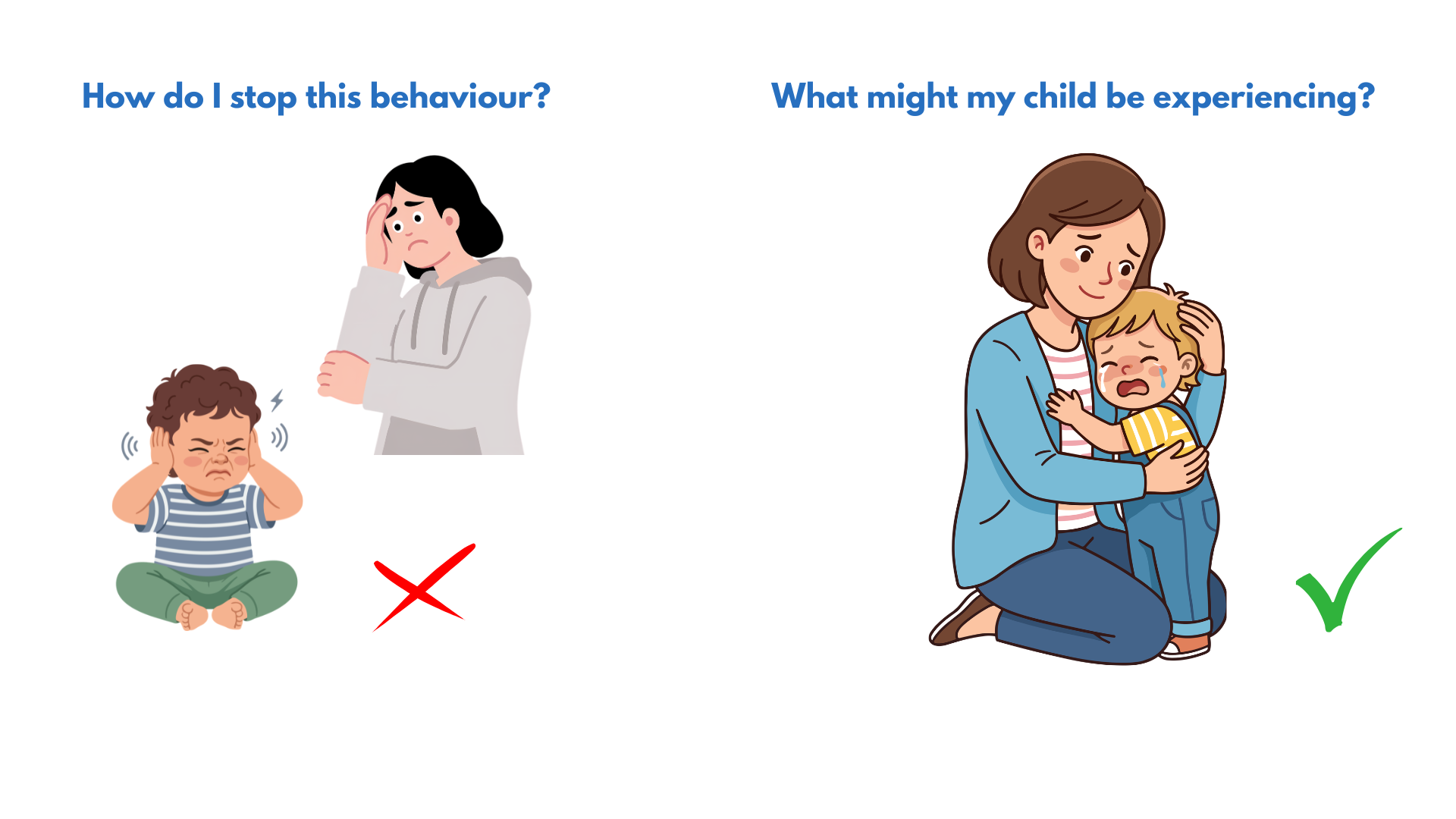
The key is not to jump to conclusions- but to become curious.
Look for Patterns, Not Isolated Behaviors
One behavior doesn't tell the whole story. The same child may love loud music at home but become overwhelmed in a crowded shopping mall. A child who constantly moves during homework may sit calmly while building Lego.
This is why context matters.
When you notice a behaviour, ask yourself:
When does it happen?
Where does it happen?
What happened just before?
Does it happen repeatedly in similar situations?
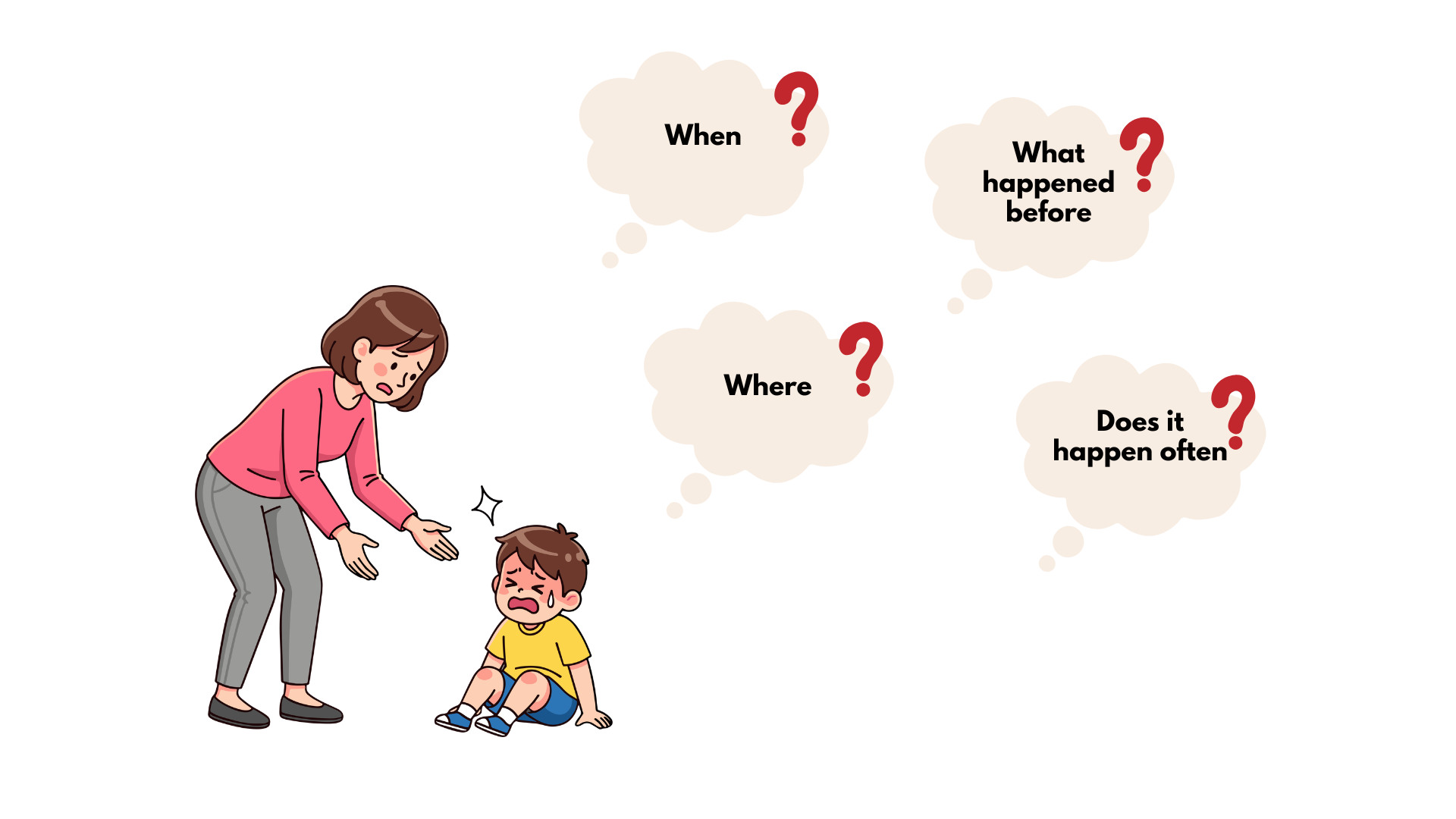
Looking for patterns often tells us much more than focusing on one isolated behaviour.
.
Could Sensory Processing Be One Piece of the Puzzle?
Some children experience sensory information differently. Certain sounds, textures, movements, or busy environments may feel overwhelming. Others may actively seek movement, touch, or other sensory experiences to help them feel organised and regulated.
This doesn't mean every behaviour is sensory—but understanding sensory processing can give us another lens through which to understand our child.
Small Changes in Understanding Can Make a Big Difference
Often, supporting a child doesn't begin with changing the child, it begins with changing how we observe. Instead of immediately reacting to a behaviour, pause for a moment and ask yourself:
Is my child overwhelmed?
Are they seeking something their body needs?
Is the environment making this difficult?
Sometimes the answer is surprisingly simple.
And sometimes it's a reminder that our child isn't giving us a hard time—instead they're having a hard time.
From there, even small changes can make a meaningful difference. Preparing your child for transitions, offering opportunities for movement, reducing sensory demands during overwhelming situations, or making simple adjustments to the environment can all help your child feel more regulated and better able to participate in everyday activities.
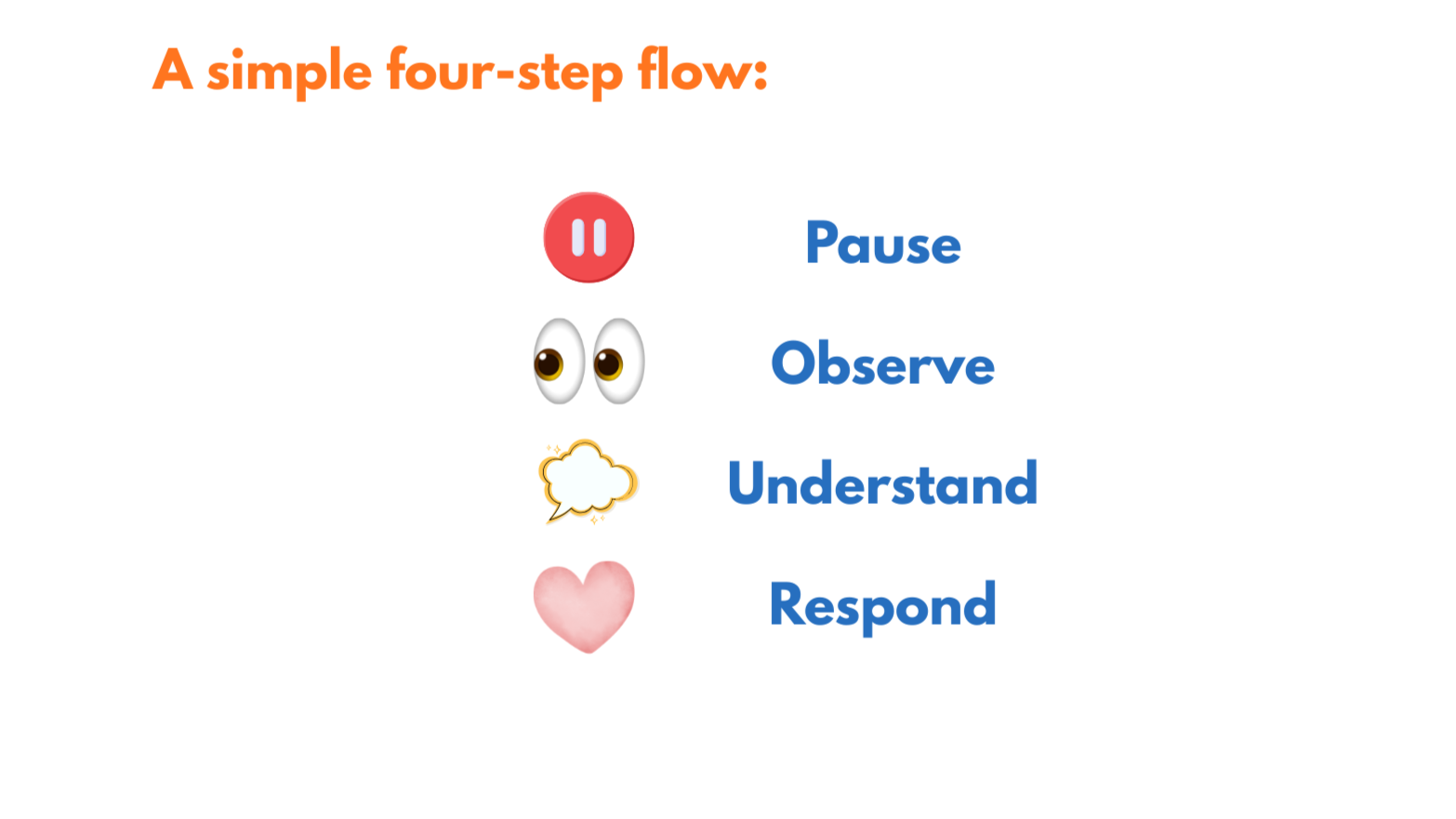
Next time, when your child shows challenging behavior, try this framework!
When To Seek Support - How Occupational Therapy Can Help?
Every child has unique preferences and responds differently to sensory experiences. However, if these differences are consistently affecting your child's participation at home, school, or in everyday routines, it may be helpful to seek professional support.
Occupational therapy looks beyond behaviour to understand the interaction between the child, the activity, and the environment. By understanding a child's unique strengths and sensory needs, occupational therapists work alongside families to develop practical, individualized strategies that support participation in everyday life—whether at home, school, or during play.
Early identification and intervention can make a meaningful difference, helping children participate more confidently in the activities that matter most to them. More importantly, it empowers families with the knowledge and tools to better understand and support their child's unique way of experiencing the world.
“Evidence Speaks:
Recent systematic reviews support the role of occupational therapy using Ayres Sensory Integration® in improving children’s occupational performance, participation, and achievement of individualized goals. Research also demonstrates improvements in daily living skills, play, social participation, and communication when intervention is delivered by trained occupational therapists using Ayres Sensory Integration® principles (Acuña et al., 2025; Piller et al., 2025).”
Final Thoughts
There isn’t a perfect parenting manual, and there certainly isn’t a one-size-fits-all approach to sensory needs.
Your child is unique, and understanding what works for them is a journey. By observing, staying curious, and responding with empathy, you can help create an environment where your child feels understood, supported, and confident to participate in everyday life.
Continue Your Learning
If this blog has sparked your curiosity, 🎥 Start with our YouTube video – a brief introduction to sensory processing.
In this parent friendly video, we outline the basic sensory processes that children with Autism have challenges with, and share simple strategies that help in the home setting.
💻 Ready for a deeper dive? Watch our webinar.